
Lymphedema Treatment
Lymphedema Treatment That Actually Works
Lymphedema
Lymphedema is the result of an abnormal accumulation of lymph fluid. Lymph fluid carries cells that help to prevent and fight infection. Cells that help to prevent and fight infection are typically beneficial. However, too much lymph fluid can cause problems. An excess of lymph fluid can develop when lymph vessels are damaged and / or when lymph nodes are not functioning properly. Lymph vessels are supposed to transport lymph fluid to where it is intended to be, but if these lymph vessels are not functioning properly, the lymph fluid can end up where it does not belong. Lymph nodes are supposed to help regulate the amount of lymph fluid in the body and if they are not functioning properly, too much lymph fluid can accumulate.
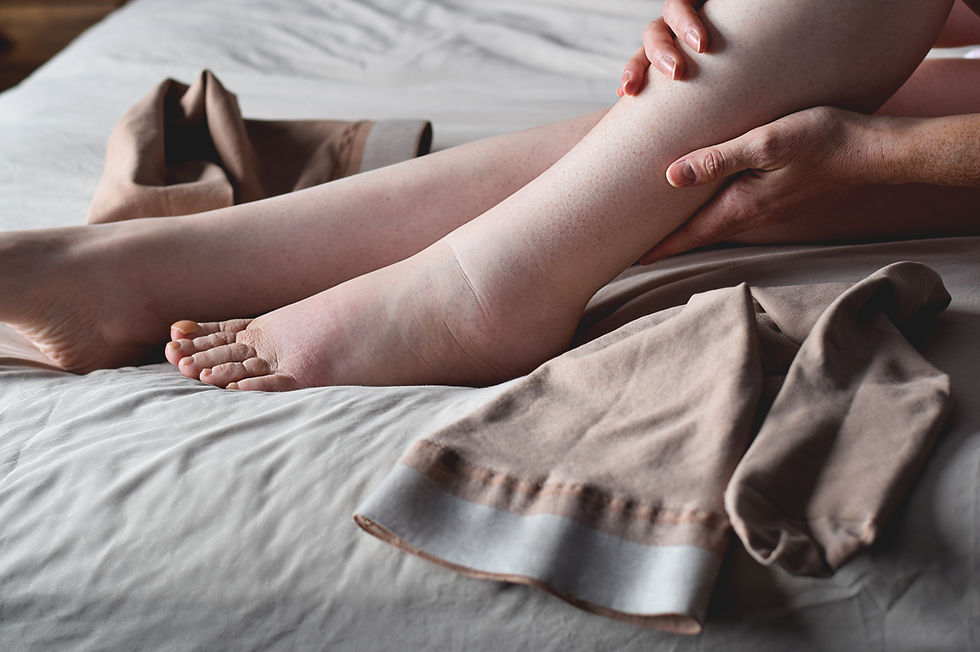
When an excess of lymph fluid accumulates, it results in swelling. This swelling most commonly affects legs and arms, but it can actually occur anywhere in the body. This swelling can occur either gradually over time or more suddenly. The skin in the areas where swelling develops can feel tight. These areas of swelling can become heavy. Sometimes, patients who experience this report a tingling sensation in the area of the swelling. The skin in the area(s) of swelling can become thick and / or leathery. As swelling develops, patients may note that their clothes and jewelry do not fit as well.

FAQ's
There are two main types of lymphedema:
Congenital, meaning it was present at birth or develops later in life without any known cause or inciting incident.
Primary Lymphedema
Secondary Lymphedema
Develops as a result of an insult to lymph nodes and / or lymph vessels. A common cause of secondary lymphedema is cancer surgery that results in the damage of or removal of lymph nodes and / or lymph vessels. Radiation treatment can also negatively affect the function of lymph nodes and / or lymph vessels leading to secondary lymphedema.
Most providers consider there to be four stages of lymphedema:
Stage One – Abnormal function of the lymphatic system that may have no outward signs or symptoms
Stage Two – Minimal swelling that may be alleviated by elevation or compression
Stage Three – Swelling of an area that does not resolve with elevation. There may be skin thickening and scarring.
Stage Four – Severe swelling and skin abnormalities

Lymphedema Treatment
There is no cure for lymphedema. However, it can be managed when the appropriate tools are employed. When lymphedema is appropriately managed, the risks of the complications listed above occurring are significantly decreased.
A tenant of any lymphedema treatment plan is compression. Historically, compression has been a challenge and this is largely a result of antiquated, inconvenient compression garments. These traditional garments are often difficult or impossible for patients to apply, difficult for patients to take off, and uncomfortable. Additionally, some patients complain of older compression garments being too hot. For all of these reasons and others, patients’ ability or willingness to use these older compression garment options has traditionally been less than what is needed for treatment success.
Extermit-EASE changes all of that with a revolutionary design that makes it much easier for patients to apply, remove, and tolerate. Extremit-EASE combines a zipper and bungees with large tabs to make independent application and adjustment easy for patients to achieve—even if they suffer from dexterity issues. Patients appreciate the lightweight, air permeable fabric allowing for hours of comfortable wear with less sweat, fewer hot spots, and less pistoning.

An air permeability study demonstrated that Extremit-EASE provides between 3 and 11 times the amount of air permeability than more traditional options. This supports the fact that the lightweight, air permeable fabric of Extremit-EASE contributes to fewer problems with experiencing heat and other discomfort when using Extremit-EASE.
Another study demonstrated the marked difference in compliance with compression when the Extermit-EASE is used. This study truly tested the improvement when Extremit-EASE is selected over other options by only including patients with venous insufficiency or lymphedema who had failed treatment with standard compression because they could not tolerate it. On a scale of 1-5, with 1 being “very difficult” and 5 being “very easy,” patients in the study ranked “ease of application” with the more traditional compression garment as 1.74 versus 4 with Extremit-EASE. On a scale of 1-5, with 1 being “very uncomfortable” and 5 being “very comfortable,” patients in the study ranked “comfort” with the more traditional compression garment as 1.91 versus 4.17 with Extremit-EASE. The patients in this study were able to wear the Extremit-EASE almost twice as many hours per day as they did the more traditional option. Better compliance by patients with the treatment they need results in better results for them and better outcomes for medical practices.
